
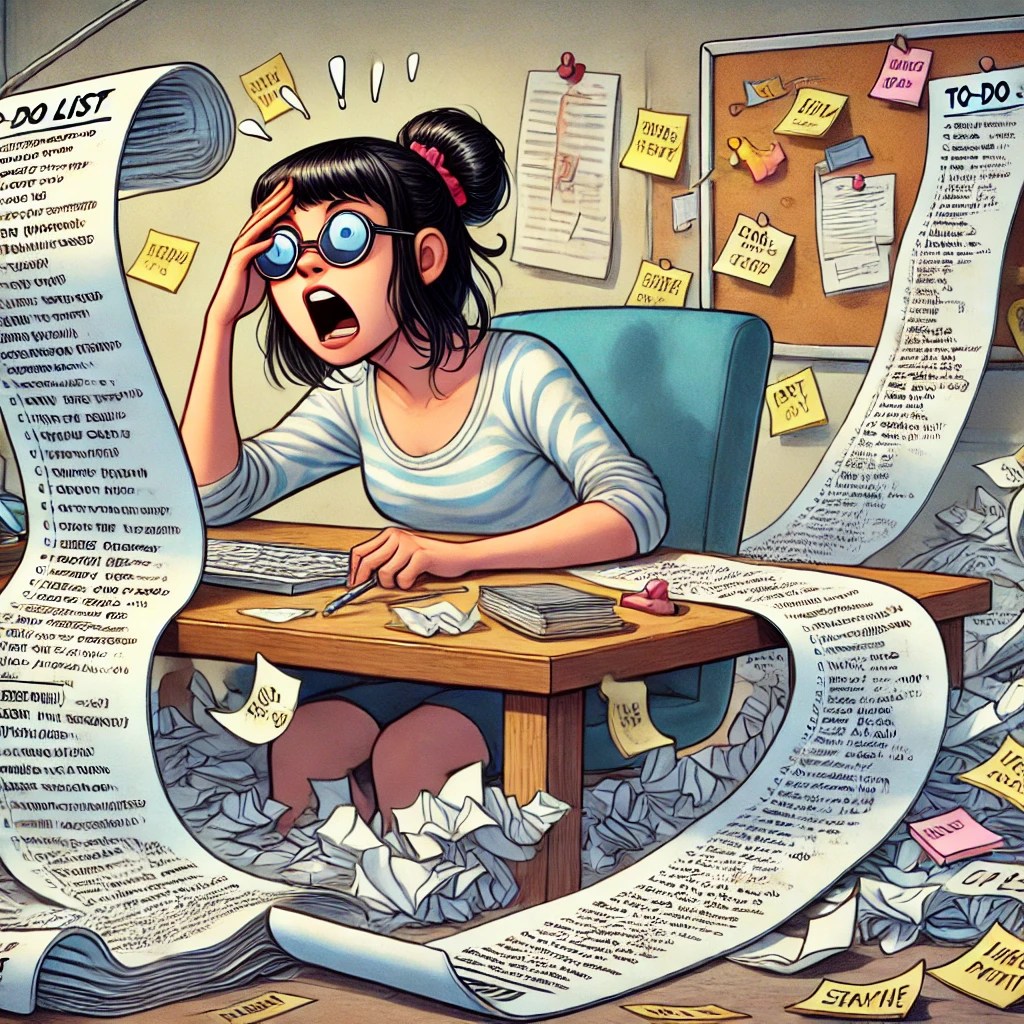
Procrastination is one of those pesky habits that can sneak up on you when you least expect it. Whether it’s putting off that work project, delaying your workout, or avoiding the dreaded task of cleaning out your closet, we’ve all been there—stuck in the cycle of procrastination. But beating procrastination doesn’t have to be a Herculean task. With the right strategies and mindset, you can tackle it head-on and start getting things done. In this blog post, I’ll share a dead simple guide to beating procrastination, complete with a witty personal anecdote to illustrate how even the most seasoned procrastinators can overcome the habit.
The Tale of the Procrastinated DIY Project
A few months ago, I decided it was finally time to tackle a DIY project I had been putting off for ages—refinishing an old wooden coffee table. I had found the table at a garage sale over a year ago, and it had been sitting in my garage collecting dust ever since. I had grand plans for this table: I would sand it down, stain it a rich mahogany, and give it a new life as the centerpiece of my living room. But every time I thought about starting the project, I found an excuse to put it off.
First, it was too cold outside. Then, I didn’t have the right tools. Then, I convinced myself that I needed to watch a few more YouTube tutorials before I could possibly begin. Before I knew it, months had passed, and the table was still sitting in the garage, untouched.
Finally, one Saturday afternoon, I had had enough. I realized that I was never going to get this project done if I kept waiting for the “perfect” moment. So, I decided to take a different approach. Instead of thinking about the entire project and how much work it would be, I focused on just one small step: getting the table out of the garage and into my backyard.
Once the table was out in the sun, something shifted. It didn’t seem so daunting anymore. I grabbed the sandpaper and started sanding down the rough edges. Before I knew it, I was completely absorbed in the task, and a few hours later, the table was sanded, stained, and drying in the afternoon sun. What had seemed like a massive, insurmountable task turned out to be a relaxing and enjoyable afternoon project—all because I took that first small step.
Why We Procrastinate
Before diving into the strategies for beating procrastination, it’s important to understand why we procrastinate in the first place. Procrastination is often rooted in fear—fear of failure, fear of the unknown, or even fear of success. We might also procrastinate because the task at hand feels overwhelming, boring, or unpleasant. Whatever the reason, procrastination is a way of avoiding discomfort.
However, the irony is that procrastination often leads to more discomfort in the long run. The stress and anxiety of putting things off can weigh heavily on our minds, making the task seem even more daunting as time goes on. The key to beating procrastination is to break the cycle and take action—no matter how small.
Dead Simple Strategies for Beating Procrastination
Now that we’ve identified why we procrastinate, let’s look at some dead simple strategies to help you overcome it and start getting things done.
1. Start with the Easiest Task
One of the best ways to overcome procrastination is to start with the easiest task on your list. When you’re faced with a big, overwhelming project, it’s easy to feel paralyzed by the sheer magnitude of it. But by starting with something small and manageable, you can build momentum and make the task feel less intimidating.
For example, if you’re procrastinating on a work project, start by organizing your notes or creating a simple outline. If you’re putting off cleaning your house, start by tidying up just one room or even one corner. Once you’ve completed the small task, you’ll feel a sense of accomplishment that can motivate you to keep going.
2. Break It Down into Small Steps
Large tasks can be overwhelming, which is why breaking them down into smaller, more manageable steps is crucial. Instead of thinking about the entire project, focus on just one step at a time. This approach not only makes the task feel more achievable but also helps you stay focused and avoid getting overwhelmed.
For example, if you’re writing a report, break it down into smaller tasks like researching, outlining, drafting, and editing. Tackle each step one at a time, and before you know it, you’ll have the entire report completed.
3. Set a Timer
Setting a timer is a simple but effective way to beat procrastination. The idea is to commit to working on a task for a set amount of time—say, 10 or 15 minutes. This technique, often called the Pomodoro Technique, helps you focus on the task at hand without getting distracted.
The beauty of this approach is that it’s easier to convince yourself to work for just 10 minutes than to commit to an indefinite amount of time. Once the timer goes off, you can decide whether to keep going or take a break. Often, you’ll find that once you get started, you’ll want to keep working.
4. Eliminate Distractions
Distractions are a major contributor to procrastination. Whether it’s your phone, social media, or the TV, these distractions can pull you away from the task at hand and make it harder to focus. To beat procrastination, it’s important to eliminate or minimize these distractions as much as possible.
For example, if you’re trying to work on a project, put your phone on silent and out of reach, close unnecessary browser tabs, and create a quiet workspace. By reducing distractions, you can stay focused and make progress on your tasks.
5. Reward Yourself
Positive reinforcement can be a powerful motivator. When you complete a task, no matter how small, reward yourself with something you enjoy. This could be as simple as taking a short break, having a snack, or treating yourself to a favorite activity.
By associating task completion with a reward, you’ll start to build positive associations with getting things done. Over time, this can help reduce the resistance to starting tasks and make it easier to overcome procrastination.
6. Forgive Yourself
One of the reasons procrastination is so persistent is because we often beat ourselves up for procrastinating in the first place. This negative self-talk can create a cycle of guilt and shame, making it even harder to take action. The key is to forgive yourself for procrastinating and focus on what you can do next.
Remember, everyone procrastinates from time to time. What matters is how you respond to it. Instead of dwelling on the fact that you’ve been procrastinating, acknowledge it, forgive yourself, and take the next small step toward getting back on track.
Conclusion
Procrastination is a habit that can be hard to break, but with the right strategies, it’s possible to overcome it and start getting things done. By starting with the easiest task, breaking projects down into small steps, setting a timer, eliminating distractions, rewarding yourself, and forgiving yourself, you can beat procrastination and achieve your goals.
As I learned from my DIY coffee table project, sometimes all it takes to get started is that first small step. Once you’re in motion, the task becomes less daunting, and you’ll find that you’re more capable than you thought. So the next time you find yourself procrastinating, remember these simple strategies and take that first step—no matter how small.
Call to Action: How do you overcome procrastination? Share your tips and strategies in the comments below or on social media.


 Minimal Power