
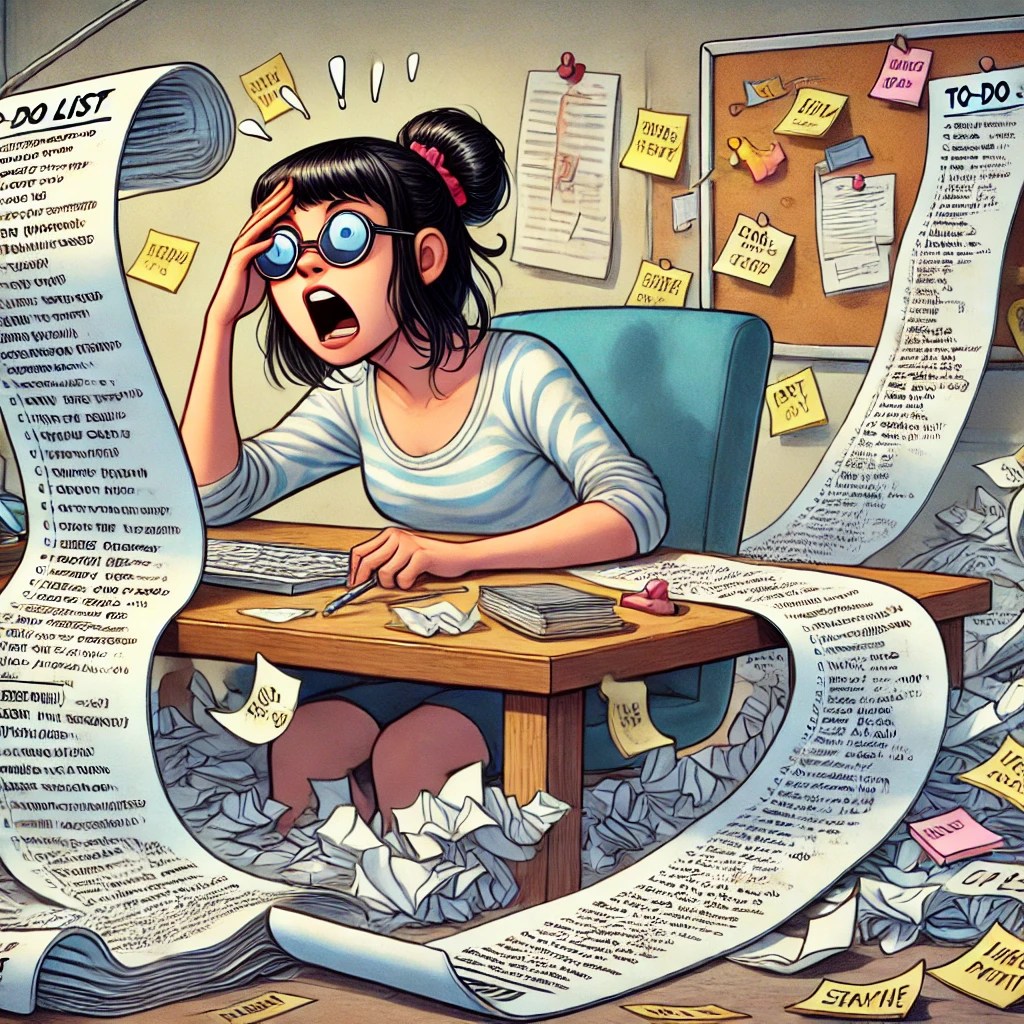
Have you ever found yourself in that rare moment of peace when your to-do list is miraculously empty, your emails are answered, and all your chores are done? It’s a strange and almost foreign feeling—having nothing pressing to do. But instead of basking in this newfound freedom, many of us might feel a bit lost, unsure of how to fill the time. This begs the question: What would you do if you had nothing to do?
In this blog post, we’ll explore the concept of designing your life around what truly matters to you, and how you can use the idea of “having nothing to do” as a guide to discovering your deepest passions and priorities. And of course, I’ll share a witty personal anecdote that illustrates just how revealing these moments of nothingness can be.
The Day I Had Nothing to Do
A few months ago, I experienced one of those rare unicorn days where I had absolutely nothing on my agenda. I had just wrapped up a big project at work, my apartment was unexpectedly tidy, and for once, there were no social obligations looming on the horizon. It was a Saturday morning, and I woke up with a sense of bewilderment. What was I supposed to do with all this free time?
At first, I was thrilled. I poured myself a cup of coffee, plopped down on the couch, and reveled in the idea of a day with no demands. But as the morning wore on, that initial excitement began to wane. I found myself wandering around my apartment, mindlessly scrolling through social media, and feeling increasingly restless. It was as if I was searching for something to occupy my time, something that would give the day a sense of purpose.
By lunchtime, I had grown so frustrated with my aimlessness that I decided to take a walk to clear my head. As I strolled through the park, I started to think about why this empty day was making me so uncomfortable. Shouldn’t I be enjoying this rare opportunity to relax and do whatever I wanted? But that was the problem—I didn’t know what I wanted to do. This realization was both unsettling and enlightening. It made me wonder how often I fill my days with tasks and obligations simply because I don’t know how to fill them otherwise.
The Importance of Designing Your Life
The experience of having nothing to do can be a powerful wake-up call. It forces you to confront the reality of how you spend your time and whether you’re truly living a life that aligns with your values and passions. If you’re constantly busy with tasks and obligations, you might not have the space to explore what truly makes you happy.
This is where the concept of “designing your life” comes into play. Designing your life means intentionally creating a lifestyle that reflects your values, passions, and long-term goals. It’s about making conscious choices about how you spend your time, rather than letting your days be dictated by external demands.
But how do you go about designing your life? Here are some steps to help you get started:
1. Identify Your Core Values
The first step in designing your life is to identify your core values. What matters most to you? Is it family, creativity, personal growth, health, or adventure? Take some time to reflect on what truly brings you joy and fulfillment. Your values are the foundation upon which you can build a life that feels meaningful and satisfying.
2. Envision Your Ideal Day
Once you’ve identified your core values, think about what your ideal day would look like. If you had nothing to do—no work, no chores, no obligations—how would you choose to spend your time? This exercise can help you uncover your true passions and interests. For example, if your ideal day involves spending hours painting, writing, or hiking, these activities might be more important to your happiness than you realize.
3. Prioritize Your Passions
With your core values and ideal day in mind, start prioritizing the activities that align with them. This might mean making more time for hobbies, spending quality time with loved ones, or pursuing a long-term goal that you’ve been putting off. The key is to focus on what truly matters to you, rather than getting caught up in the endless cycle of busyness.
4. Simplify and Declutter
To create space for the things that matter, it’s essential to simplify and declutter your life. This could involve reducing your commitments, saying no to activities that don’t align with your values, or decluttering your physical space to create a more peaceful environment. By clearing away the distractions, you’ll have more time and energy to devote to the things that bring you joy.
5. Embrace the Art of Doing Nothing
As counterintuitive as it may seem, embracing the art of doing nothing can be a valuable part of designing your life. When you allow yourself to have downtime without any specific agenda, you create space for creativity, reflection, and self-discovery. It’s in these moments of nothingness that you can reconnect with your inner self and gain clarity on what you truly want out of life.
The Benefits of Designing Your Life
When you take the time to design your life around your core values and passions, you’ll start to notice several benefits:
- Increased Fulfillment: You’ll feel more fulfilled because you’re spending your time on activities that truly matter to you.
- Greater Clarity: With a clear sense of purpose, you’ll be better equipped to make decisions that align with your goals and values.
- Improved Work-Life Balance: By prioritizing what’s important, you’ll achieve a healthier balance between work and personal life.
- Enhanced Well-Being: Living a life that reflects your true self can lead to greater happiness, reduced stress, and improved mental and physical health.
Conclusion
Designing your life is about taking control of how you spend your time and ensuring that your daily activities align with your values and passions. The next time you find yourself with nothing to do, embrace the opportunity to explore what truly makes you happy. Use that moment of nothingness as a guide to designing a life that brings you joy, fulfillment, and a sense of purpose.
As I learned from my aimless Saturday morning, having nothing to do can be a blessing in disguise. It’s a chance to reflect on how you’re living your life and to make intentional choices about how you want to spend your time. So, what would you do if you had nothing to do? The answer could be the key to designing the life you’ve always wanted.
Call to Action: How do you design your life around what truly matters to you? Share your thoughts and tips in the comments below or on social media.


 Minimal Power