
In a world that glorifies busyness and productivity, the idea of doing nothing can seem counterintuitive, even wasteful. But there is a profound art to doing nothing—a skill that can bring balance, creativity, and renewed energy to our lives. In this blog post, we’ll explore the benefits of mastering the art of doing nothing, complete with a personal anecdote that illustrates its unexpected value.
The Accidental Staycation
A few months ago, I found myself in a rather unusual predicament. I had planned a week-long vacation to a tropical paradise, but due to a last-minute work emergency, I had to cancel my trip. Instead of rescheduling, I decided to take the time off anyway and have an impromptu staycation at home.
Determined to make the best of it, I planned a list of activities to keep myself entertained: museum visits, hiking trails, and local restaurants to explore. However, on the first day, something strange happened. I woke up, looked at my meticulously planned itinerary, and felt an overwhelming urge to do… absolutely nothing.
So, I did just that. I spent the entire day lounging on my couch, flipping through channels, napping intermittently, and staring at the ceiling. At first, I felt a pang of guilt. Shouldn’t I be doing something productive with my time off? But as the day went on, I began to relax and embrace the stillness.
By the end of the week, I had spent several days in a state of blissful inactivity. I discovered that doing nothing was not only incredibly relaxing but also recharged me in ways I hadn’t expected. When I returned to work, I was more focused, creative, and energized than I had been in months.
The Benefits of Doing Nothing
Mental Clarity: Taking time to do nothing allows your mind to wander, often leading to new insights and mental clarity. It’s like hitting the reset button for your brain.
Stress Reduction: Doing nothing can significantly reduce stress levels by giving your body and mind a chance to relax and recover.
Increased Creativity: Many great ideas come when we allow ourselves to daydream and think freely, without the pressure to be productive.
Enhanced Well-being: Embracing stillness can improve your overall sense of well-being, leading to better mental and physical health.
Better Decision-Making: When you’re not constantly in motion, you have the space to reflect on your choices and make more thoughtful decisions.
How to Master the Art of Doing Nothing
Schedule Downtime: Just as you schedule meetings and tasks, make sure to schedule time for doing nothing. Treat it as an important part of your routine.
Unplug: Turn off your devices and disconnect from digital distractions. Allow yourself to be present in the moment.
Find a Comfortable Spot: Whether it’s a cozy corner of your home, a park bench, or a hammock, find a place where you can relax and unwind.
Let Go of Guilt: Understand that doing nothing is not a waste of time. It’s a valuable practice that contributes to your overall well-being.
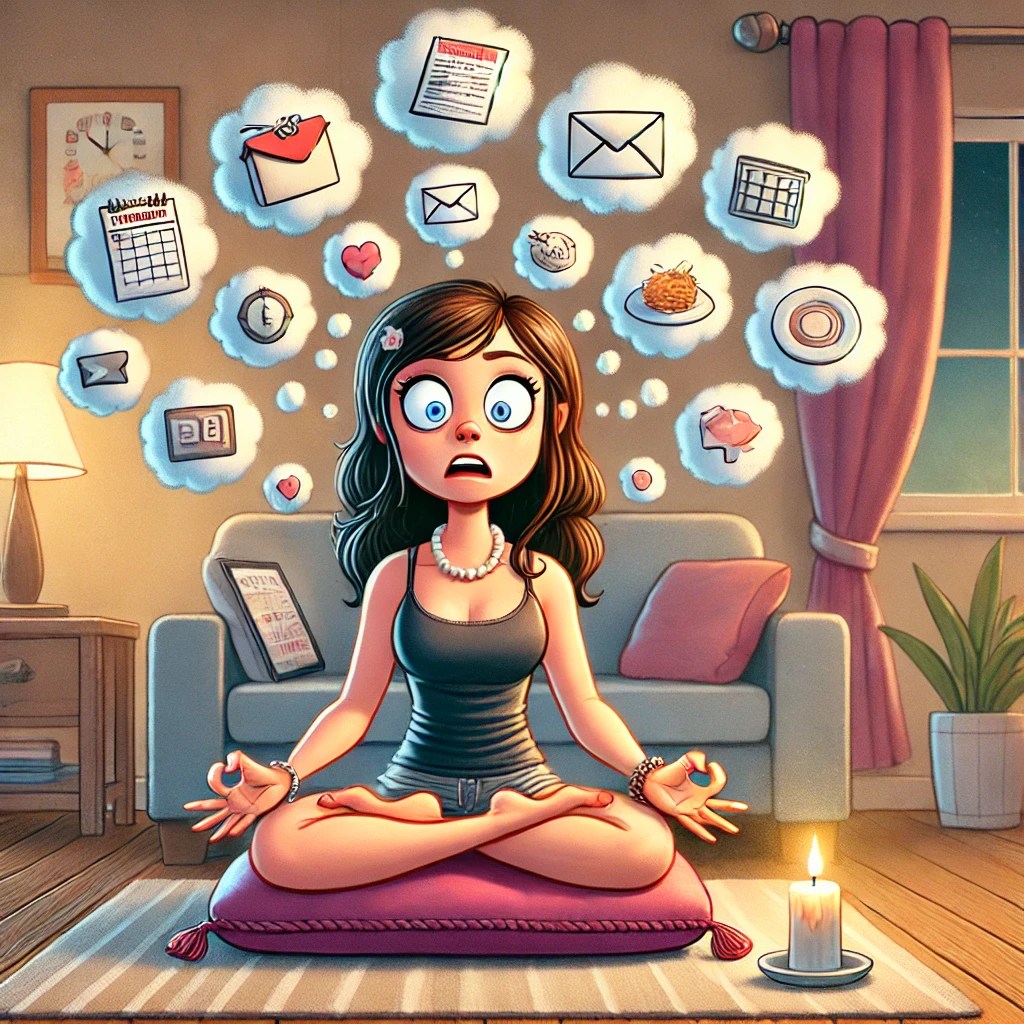
Practice Mindfulness: Use your downtime to practice mindfulness or meditation. Focus on your breath, your surroundings, or simply observe your thoughts without judgment.
Conclusion
In our fast-paced world, mastering the art of doing nothing can be a powerful tool for maintaining balance and well-being. By embracing stillness and allowing ourselves to rest, we can recharge our minds and bodies, leading to greater productivity and creativity in the long run. As my accidental staycation taught me, sometimes the best way to spend your time is by doing absolutely nothing.
Call to Action: When was the last time you allowed yourself to do nothing? Share your experiences and tips for embracing stillness in the comments below or on social media.


 Minimal Power