Feeling stuck is a universal experience. Whether it’s in your career, personal growth, or creative endeavors, hitting an impasse can be frustrating. But often, understanding why you’re stuck is the first step toward getting unstuck. In this blog post, I’ll explore common reasons people feel trapped and share a personal anecdote that might just shed some light on how to break free from your own constraints.
The Great Yoga Mat Entanglement
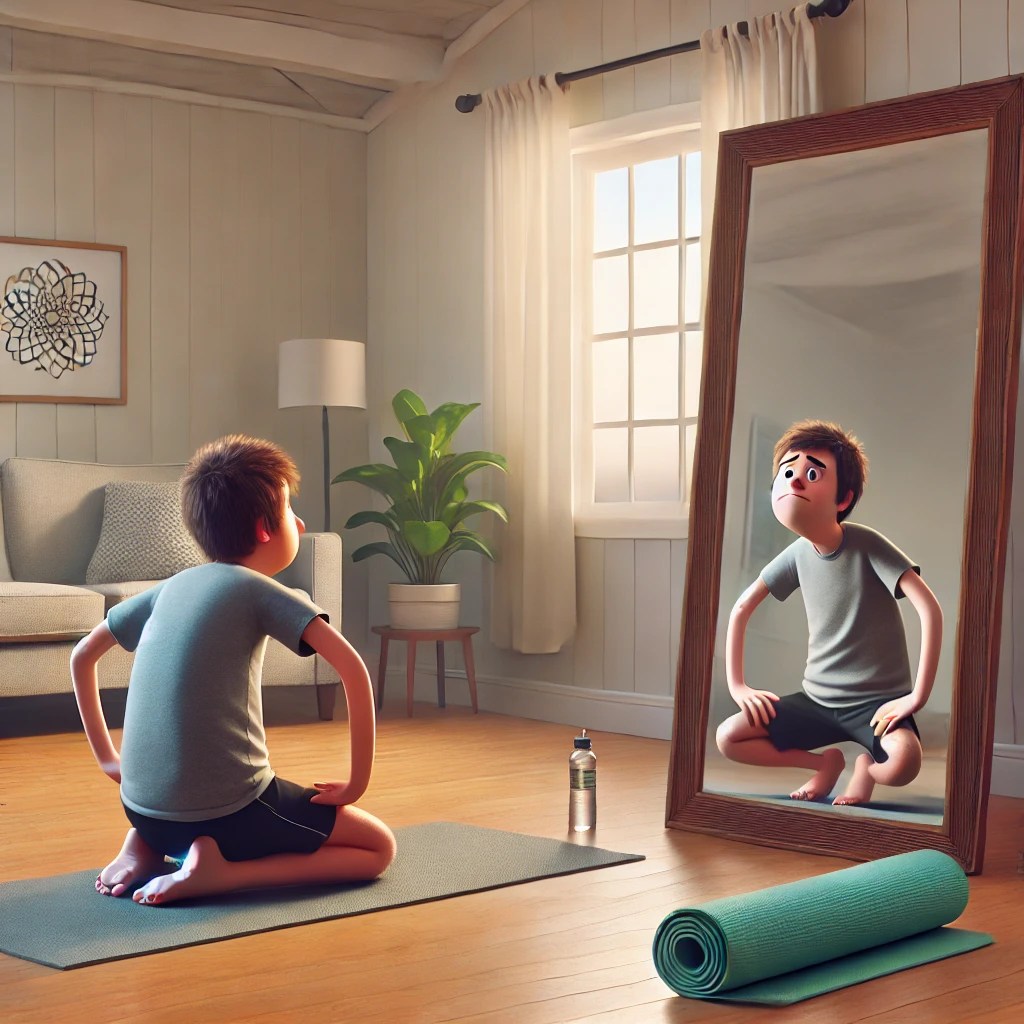
Last year, I decided to take up yoga as a way to improve my flexibility and reduce stress. I bought all the gear, subscribed to online classes, and set a goal to practice every morning. However, after a week of enthusiastic participation, my new yoga routine ground to a halt. Every time I looked at my yoga mat, I felt a strange resistance, an invisible force keeping me from unrolling it and starting my session.
One morning, determined to understand this sudden aversion, I forced myself to start a session. Midway through a particularly challenging pose, I finally understood. It wasn’t yoga I was avoiding; it was the mirror placed right in front of my practice space. Every session became a critique of my body, my inability to perform perfect poses, and a constant reminder of my physical limitations. I wasn’t stuck because of yoga; I was stuck because I turned what should have been a nurturing practice into a self-judgment fest.
Relocating my yoga mat to a more private area without mirrors transformed my experience. Freed from self-criticism, I began to enjoy my morning yoga, and the resistance disappeared. It turns out, I wasn’t stuck in yoga; I was stuck in my own harsh judgments.
Why We Feel Stuck
Fear of Failure: Often, we’re not stuck because we can’t progress, but because we’re afraid to fail. This fear can paralyze us, preventing any form of forward movement.
Comfort Zones: Comfort zones are cozy but confining. Staying within them might feel safe, but it can also prevent growth and lead to feelings of stagnation.
Lack of Clear Goals: Without a clear direction or set goals, it’s easy to feel aimless and stuck. Knowing what you’re working toward is crucial for progress.
Overwhelm: Sometimes, we feel stuck not because we don’t have options, but because we have too many. Analysis paralysis can be a real impediment.
Getting Unstuck
Small Steps: Break down overwhelming tasks into small, manageable steps. Progress, no matter how minor, can be incredibly motivating.
Change Your Environment: Sometimes, a simple change of scenery or routine can provide a new perspective and relieve feelings of being stuck.
Face Your Fears: Confronting what scares you can liberate you from it. Identify your fears and take controlled risks to overcome them.
Seek Feedback: Sometimes, an outside perspective can offer insights into why you’re stuck. Don’t be afraid to ask for help or guidance.
Practice Self-Compassion: Be kind to yourself. Recognize that being stuck is a part of the growth process and not a reflection of your capabilities.
Conclusion
Feeling stuck can be a signal, not just a setback. It tells us to pause, evaluate, and adjust our approach. Like my experience with yoga, sometimes the issue isn’t the activity itself but how we approach it. By understanding and addressing the real reasons behind our stagnation, we can find our way forward and enjoy the journey more fully.
Call to Action: Have you ever felt stuck and found an unexpected solution? Share your experiences and insights in the comments or on social media. Let’s inspire each other to move forward!


 Minimal Power