
In a culture that glorifies hustle and productivity, embracing laziness might seem counterintuitive. But what if doing less could actually lead to a more fulfilling and balanced life? This post explores the art of minimal effort and its surprising benefits, illustrated with a personal story that proves sometimes, less is truly more.
The Couch Conundrum
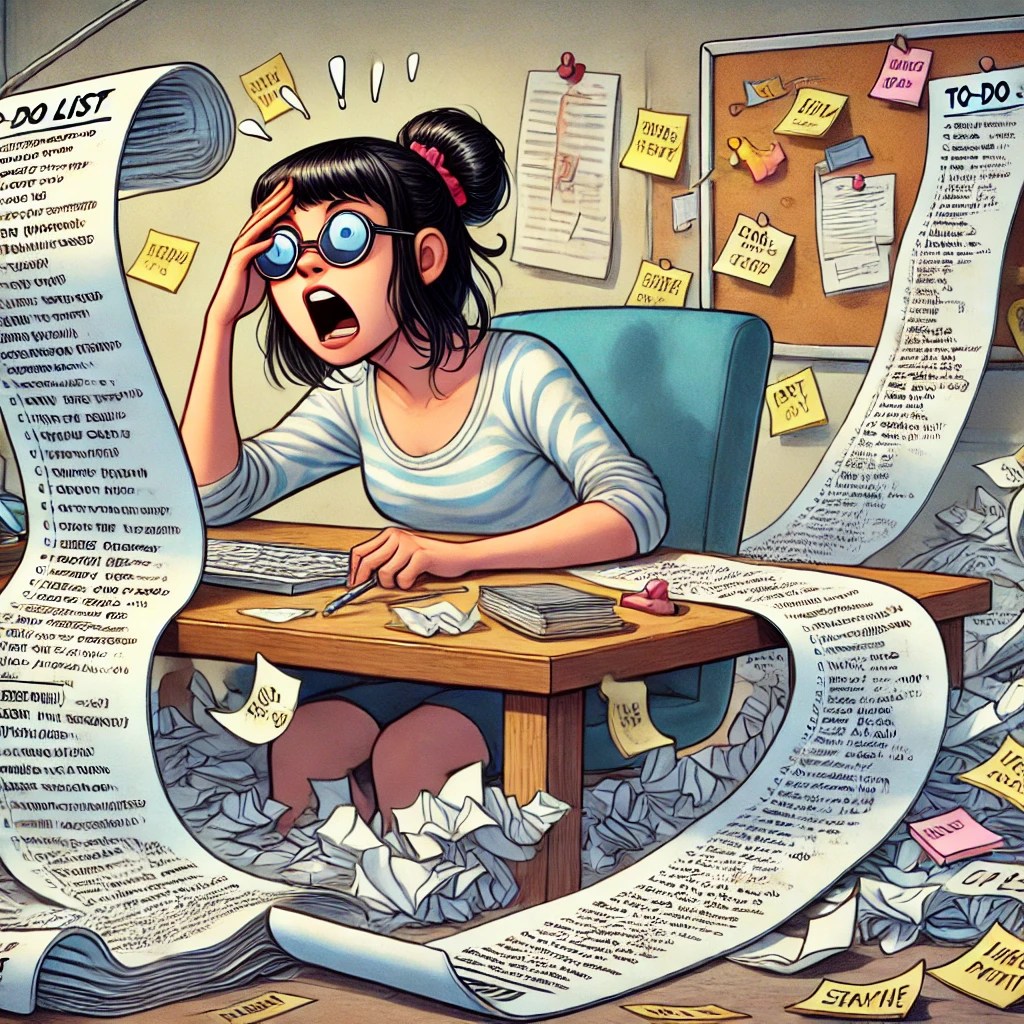
A few years ago, I found myself in a perpetual state of busyness. My to-do list was never-ending, and my calendar looked like a jigsaw puzzle. One Sunday afternoon, after a particularly exhausting week, I collapsed on my couch with the intention of taking a five-minute breather. That five-minute break turned into an hour-long nap.
When I woke up, I felt a mixture of guilt and confusion. Had I really just wasted an entire hour doing nothing? But as I lay there, something interesting happened. I started to feel…good. Refreshed, even. My mind, which had been racing non-stop, was finally quiet. In that moment of enforced laziness, I realized that perhaps doing less wasn’t a waste of time but a necessary respite.
From then on, I decided to embrace the art of doing less. I started scheduling “do-nothing” time into my week and found that these breaks not only made me feel better but also made me more productive when I did work. It was a revelation: sometimes, doing less is the key to achieving more.
The Benefits of Doing Less
Increased Productivity: It sounds paradoxical, but taking breaks and doing less can actually increase productivity. Your brain needs downtime to process information and recharge.
Improved Mental Health: Constant busyness can lead to burnout and stress. Taking time to relax and do nothing can improve your mental health and overall well-being.
Enhanced Creativity: Some of the best ideas come when you’re not actively trying to solve a problem. Letting your mind wander during periods of rest can spark creativity.
Better Relationships: When you’re not constantly focused on tasks, you have more time to connect with the people around you, improving your relationships.
How to Embrace the Lazy Manifesto
Schedule Downtime: Just as you schedule meetings and tasks, schedule time to do nothing. Treat it as an important appointment with yourself.
Set Boundaries: Learn to say no to tasks and commitments that aren’t essential. Prioritize what truly matters and let go of the rest.
Practice Mindfulness: Use your downtime to practice mindfulness or meditation. This can help you stay present and appreciate the moment.
Enjoy Simple Pleasures: Take time to enjoy simple activities like reading, taking a walk, or just sitting quietly with a cup of tea.
Reevaluate Your Priorities: Regularly reassess what’s on your to-do list. Ask yourself if each task is truly necessary or if it can be eliminated or delegated.
Conclusion
The lazy manifesto isn’t about shirking responsibilities or being unproductive. It’s about recognizing the value of rest and the importance of doing less to achieve more. By embracing the art of minimal effort, you can find balance, improve your well-being, and ultimately lead a more fulfilling life.
Call to Action: What’s one thing you can do less of this week to make room for relaxation and recharge? Share your thoughts and experiences in the comments below or on social media.



 Minimal Power