
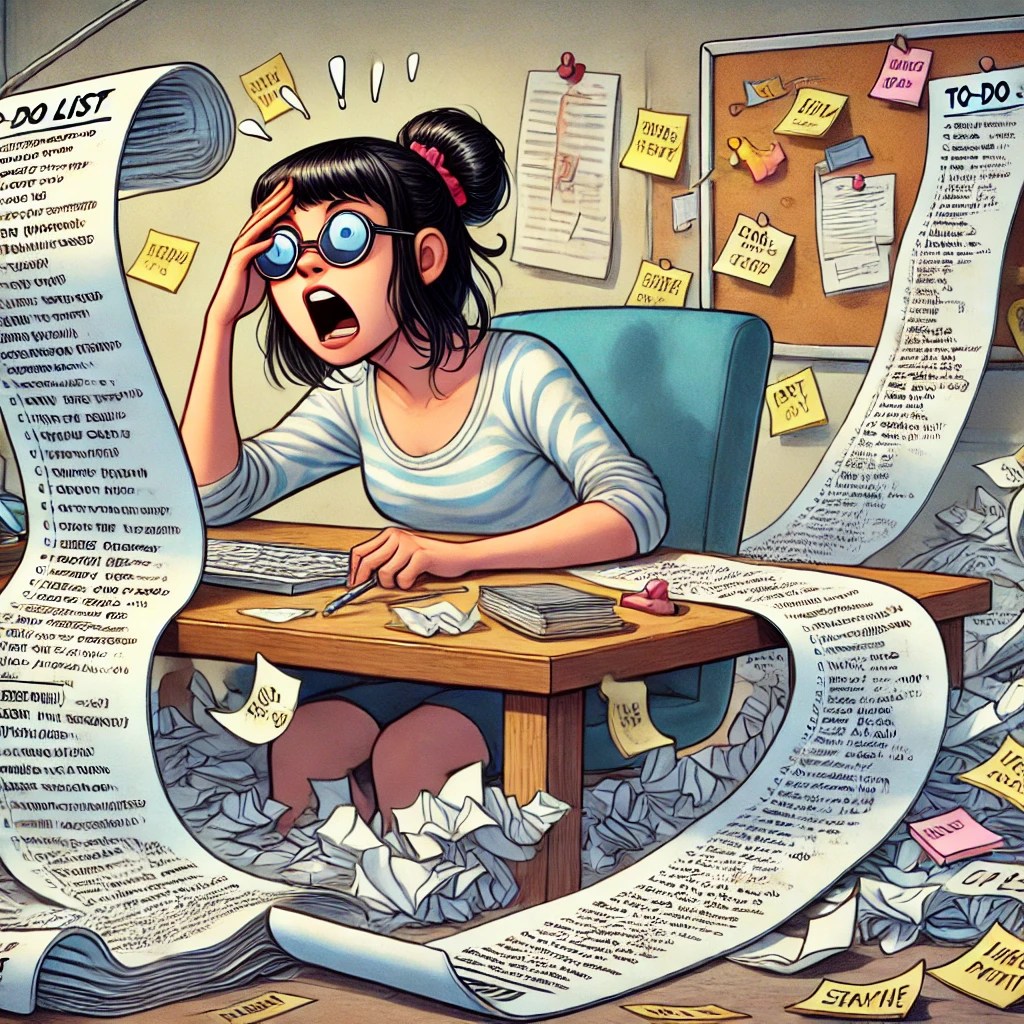
It’s a curious trait of human nature: given the simplest task, we often find a way to turn it into a complex project. From assembling furniture to planning a vacation, it seems we have a knack for making everything just a bit more complicated than it needs to be. In this blog post, I’ll explore why we do this, the impact it has, and how we can learn to simplify our approach—illustrated with a personal story that might just make you chuckle.
The Epic Quest for the Perfect Cup of Coffee
My journey into the abyss of over-complication began on a quiet Saturday morning. Determined to recreate the exquisite coffee I had at a quaint Parisian café, I embarked on what I thought would be a straightforward endeavor. Oh, how wrong I was.
Armed with a brand new, state-of-the-art espresso machine (which came with a manual thicker than my favorite novel), several pounds of gourmet beans, and an assortment of gadgets (milk frother, anyone?), I was ready. What followed was less a coffee-making process and more a slapstick comedy routine. There were beans spilling, milk overflowing, and a series of complicated button presses that led nowhere.
Two hours and several YouTube tutorials later, I sat back, sipping my hard-earned coffee. It was… mediocre. In my quest for perfection, I had turned a simple pleasure into a morning of frustration. This experience was a wake-up call—not from the caffeine, but from the realization that sometimes, simpler really is better.
Why We Overcomplicate Things
Fear of Simplicity: Sometimes, we equate simplicity with a lack of sophistication or effort. We believe that if something is important, it must also be complex.
Perfectionism: The drive to make everything ‘perfect’ can lead us down the road of endless tweaks and additions, complicating what could be straightforward.
Overthinking: When we spend too much time pondering all the possible scenarios or choices, even the simplest decisions can become paralyzingly complex.
Embracing Simplicity
Start Small: Choose one area of your life where you tend to overcomplicate things and consciously simplify your approach.
Set Clear Goals: Define what ‘good enough’ looks like for everyday tasks. Not every meal needs to be gourmet, and not every email needs to be a masterpiece.
Limit Choices: Reduce the number of options to prevent decision fatigue. Whether it’s your wardrobe, your lunch menu, or your projects, fewer choices can lead to greater satisfaction.
Embrace Imperfections: Accept that not everything has to be perfect. Often, the beauty and joy of experiences come from their imperfections.
Conclusion
While our tendency to complicate might stem from good intentions, it often leads to unnecessary stress and reduced efficiency. By learning to embrace simplicity and focusing on what truly matters, we can improve both our productivity and our peace of mind.
Call to Action: Think about an area of your life where you could benefit from simplifying things. Take the first step today and share your experience in the comments or on social media. Let’s encourage each other to enjoy the simplicity on the other side of complexity!



 Minimal Power
One response to “Making It Harder: The Human Tendency to Complicate”
This is so true – why do we fill our minds and hearts so unnecessarily?
Time to declutter my soul… thanks for the reminder!
Linda xx
LikeLike