
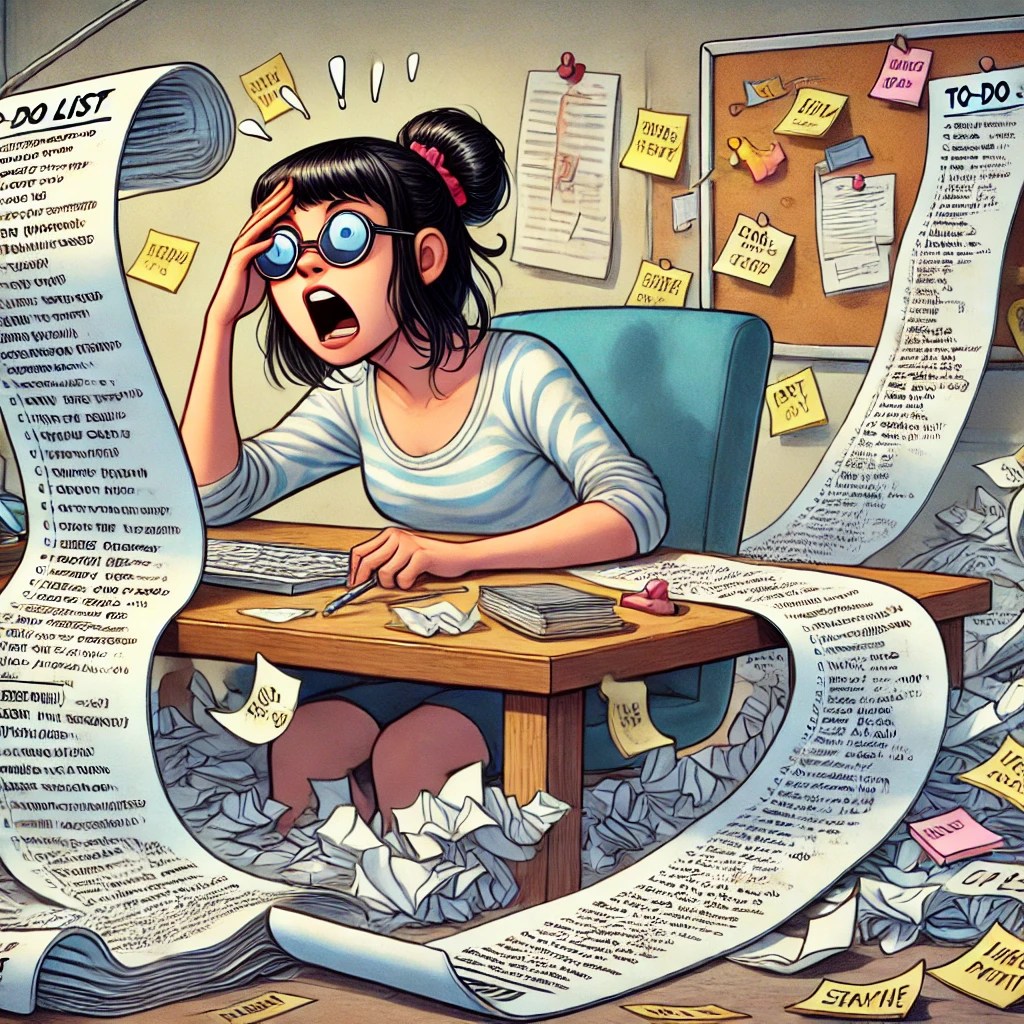
In an era where information is just a click away, the constant influx of news can be overwhelming. With 24/7 access to global events, it’s easy to find ourselves trapped in a cycle of never-ending news consumption. This habit not only consumes valuable time but also contributes to increased stress and anxiety, largely due to the prevalence of sensationalism and fear-mongering in today’s media. However, adopting a minimalist approach to news consumption, such as configuring tools like Google Alerts for essential updates, can significantly reduce unnecessary worry and free up time for more meaningful activities.
The Cost of Constant Connectivity
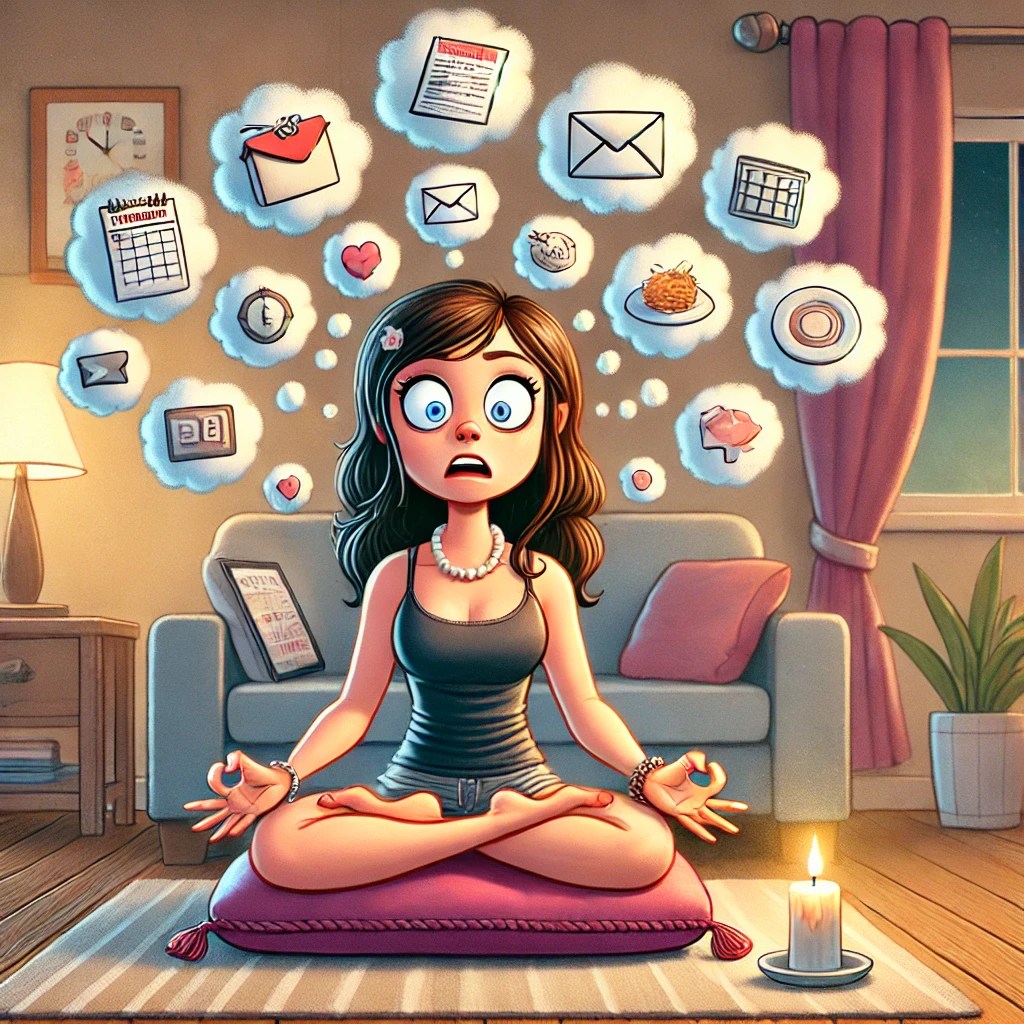
The modern world has brought the global community closer than ever before, with the ability to receive news updates in real-time from anywhere around the globe. While staying informed is important, the sheer volume of information can be daunting. News, by its nature, tends to focus on the negative — crises, conflicts, and controversies — leading to a skewed perception of reality that amplifies fear and anxiety. This constant bombardment of negative news can take a toll on our mental health, contributing to feelings of helplessness and despair.
Adopting a Minimalist Approach to News
Minimalism, at its core, is about intentionality. It’s about choosing to focus on what truly matters and letting go of the excess. When applied to news consumption, minimalism encourages us to critically evaluate the necessity and impact of the information we consume. Here are some steps to adopt a more minimalist approach to staying informed:
- Identify What’s Important: Determine the types of news that are relevant and beneficial to your life. This might include local news that affects your community, industry-specific updates related to your career, or significant global events.
- Configure Google Alerts: Google Alerts is a powerful tool that can help you stay informed about specific topics without the need to sift through endless news feeds. By setting up alerts for key phrases related to the essential news categories you’ve identified, you can receive timely updates directly to your email. This ensures that you stay informed about important developments without being overwhelmed by the volume of general news.
- Limit News Consumption Time: Set specific times of the day for news updates and stick to them. By allocating a limited window for checking news, you can prevent it from intruding into your day and disrupting your peace of mind.
- Choose Quality Over Quantity: Select a few reputable sources that provide unbiased, well-researched information. Unsubscribing from sensationalist news outlets and opting for those that offer in-depth analysis can lead to a more accurate understanding of world events and reduce anxiety.
- Engage in Digital Detoxes: Periodically disconnect from digital devices and news feeds. This can help reset your relationship with media, reducing dependency and fostering a healthier information diet.
Personal Experience: Finding Balance
The turning point in my relationship with news came during a particularly tumultuous year. Global events seemed to spiral one after another, and with each notification, my phone delivered a relentless stream of updates, each more distressing than the last. I found myself glued to my screen, scrolling through endless headlines, feeling a mix of compulsion and dread. It wasn’t just the time I was losing; it was the constant tension, the anticipation of the next piece of bad news, that started to weigh heavily on my mind and heart.
I realized that this habit was not keeping me informed so much as it was keeping me alarmed. The need for change became apparent during a weekend visit to my family’s cabin by the lake, a place where the slow pace of life stands in stark contrast to the frenetic rhythm of the digital world. Here, surrounded by the calming presence of nature, the absurdity of my news consumption habits became strikingly clear. The tranquility of the lake, the simplicity of the landscape, spoke of a different way of being — one that I longed to bring into my own life.
Determined to regain control, I decided to apply the principles of minimalism that had already transformed other areas of my life to the way I consumed news. I started by identifying the types of news that were truly relevant to me — focusing on local news that impacted my community and topics related to my profession. Everything else, I decided, was just noise.
Setting up Google Alerts was my next step. I chose keywords related to my selected news categories, ensuring I would be informed about significant developments without the need to sift through various news sites. This small action had an immediate impact. My inbox became a curated selection of articles that interested me, drastically cutting down the time I spent searching for news.
I also set strict boundaries for news consumption, allocating two specific times a day to check updates. This routine freed up hours each week, time I redirected towards hobbies I had neglected, like reading and photography, and towards cultivating my relationships.
Perhaps the most profound change was the noticeable decrease in my stress levels. By limiting my exposure to the constant barrage of news, I was no longer on edge, awaiting the next disaster. Instead, I found a sense of peace and presence I hadn’t felt in years. My sleep improved, my conversations grew deeper, and my days felt more purposeful.
This journey taught me a vital lesson: in the economy of attention, where news is the currency, it’s essential to invest wisely. Choosing intentionality and minimalism in media consumption didn’t just change my daily routine; it transformed my outlook on life, proving that sometimes, less truly is more.
Conclusion
In today’s fast-paced world, it’s more important than ever to be mindful of our media consumption. By adopting a minimalist approach to news, we can stay informed about the events that matter most to us without the added stress and time consumption of wading through a sea of sensationalism. Setting up tools like Google Alerts for important news is a simple yet effective way to maintain awareness of the world around us while protecting our mental health and well-being. Remember, in the economy of your attention, be frugal with where you invest it.


 Minimal Power